Bangla and English, Done Properly: Building Bilingual Websites
A language switch in the menu is not a bilingual website. Practical lessons on Bangla typography, numerals, forms, search and SEO from the chamber, education, news and shop sites we have built.
 Oxid Labs Team 3 min read
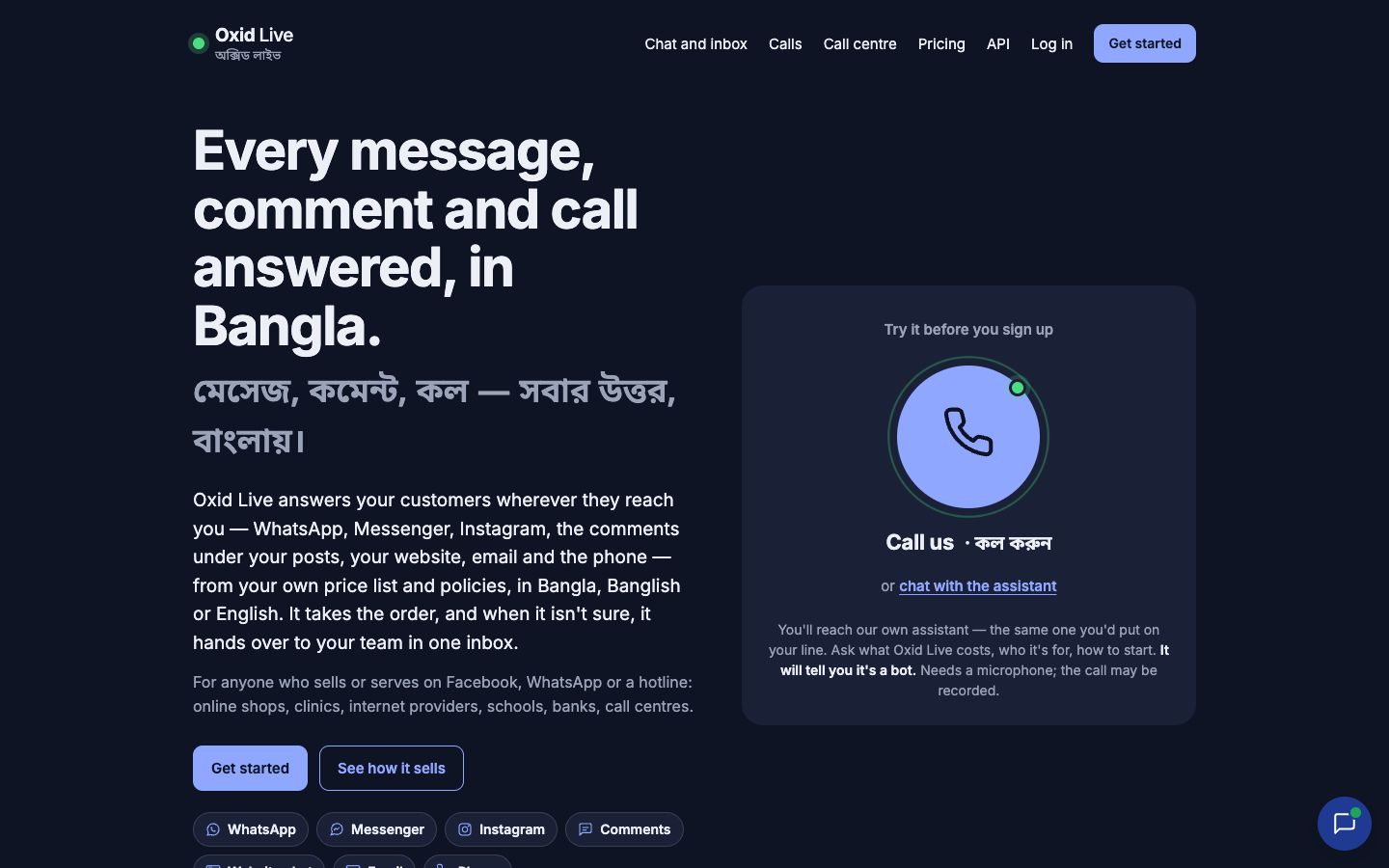
Almost every organisation in Bangladesh needs to speak to two audiences: people who are most comfortable in Bangla, and partners, donors or students who read in English. Many websites handle this with a language switch that leads to half-translated pages and broken layouts.
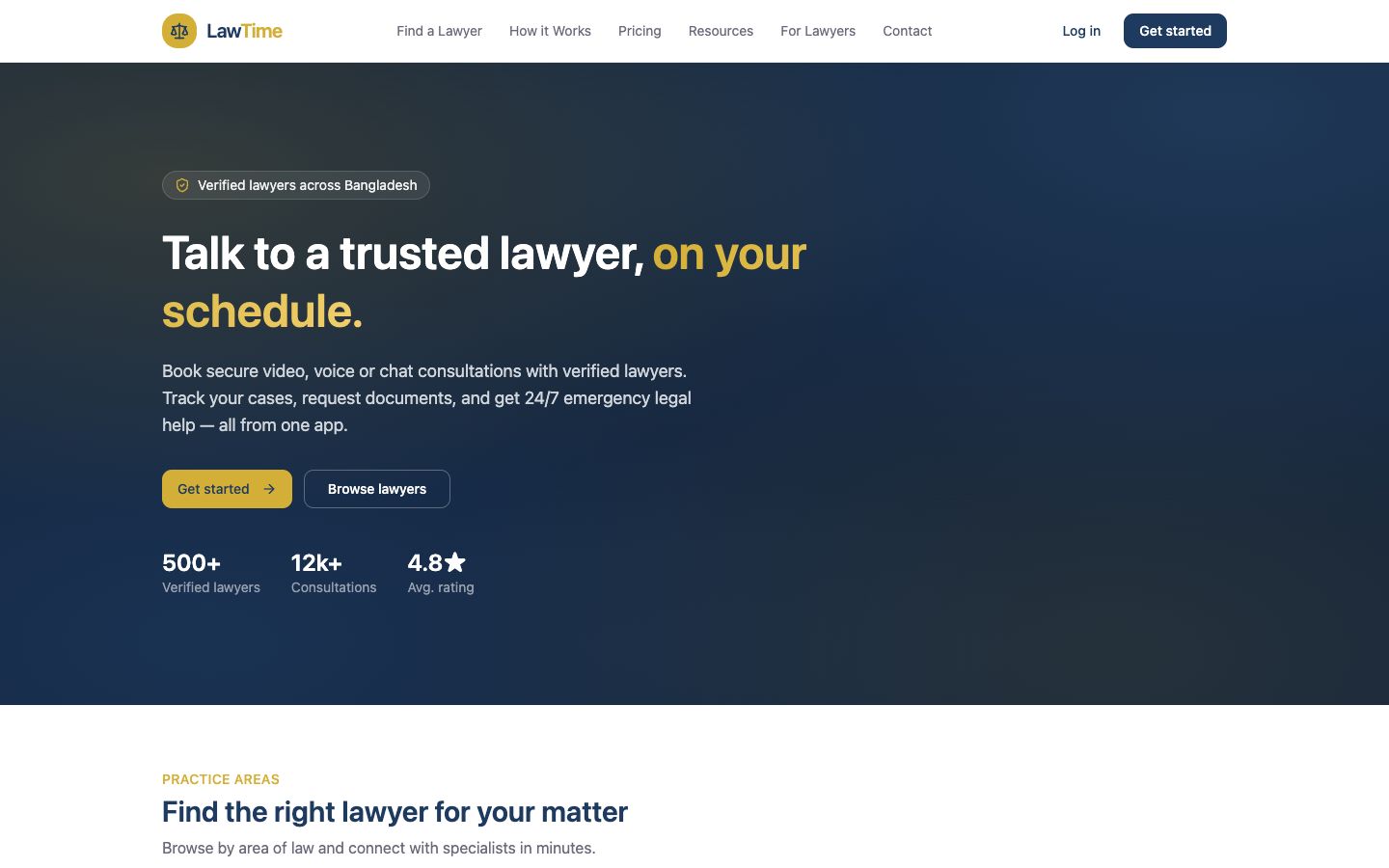
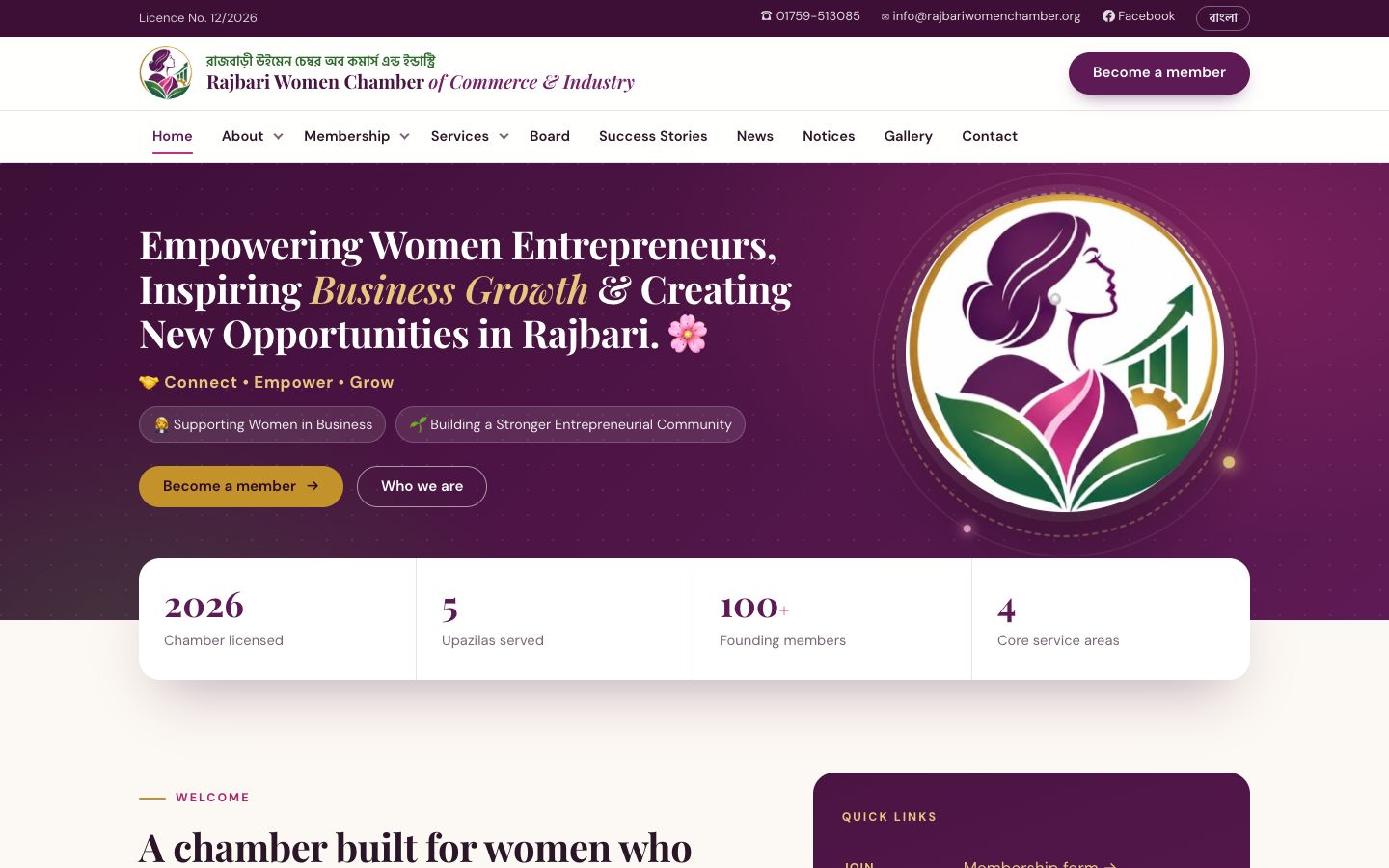
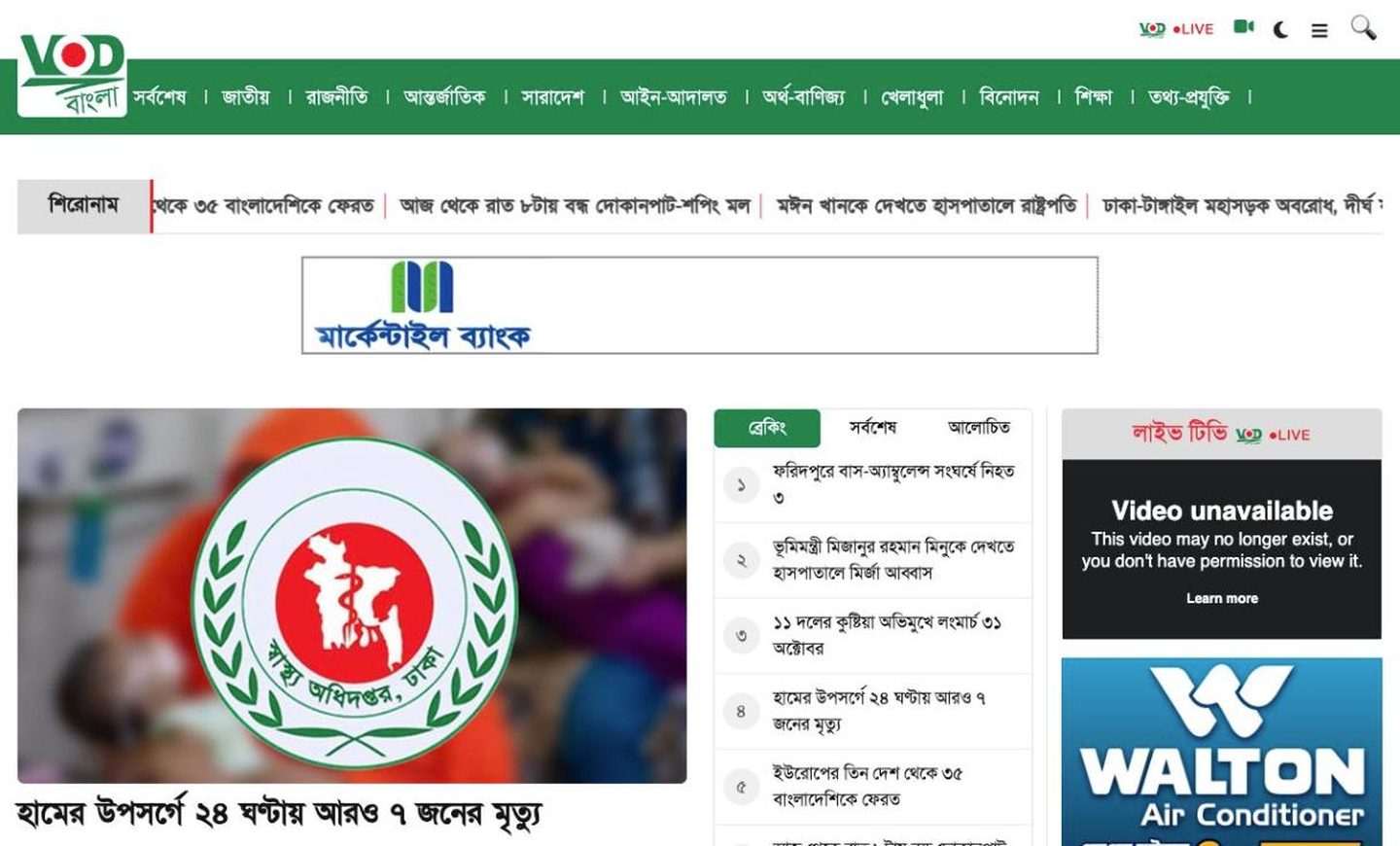
We have built a range of sites that live in both languages: the Rajbari Women Chamber of Commerce & Industry, the NPUUF foundation, the Isamoti EduCare study-abroad site, the VOD Bangla news portal and Bangla-first shops like Manob Shop. Here is what doing it properly involves.
1. Decide which language leads
“Bilingual” does not mean “identical”. A chamber of commerce serving local entrepreneurs should lead in Bangla; a study-abroad consultancy whose content mirrors UK university pages may lead in English. Pick a primary language per audience, then make sure the second version is complete, not a summary.
2. Take Bangla typography seriously
Bangla script has stacked conjuncts, vowel signs above and below the line, and taller glyphs than Latin text. Layouts designed only for English break in subtle ways:
- Use a proper Bangla web font (Noto Sans Bengali, Hind Siliguri and similar) instead of whatever the device falls back to.
- Increase line height for Bangla paragraphs, so vowel signs don’t collide with the line above.
- Don’t fix heights on buttons and cards; Bangla labels often wrap differently from their English twins.
- Test headings in both languages. A heading that fits in English can be twice as long in Bangla.
3. Unicode everywhere
Some newsrooms and offices still write in legacy Bijoy encoding. On the web, everything must be Unicode, otherwise text cannot be searched, indexed or read by screen readers. VOD Bangla even ships a Unicode-to-Bijoy converter for staff who need to move between the two.
4. Numbers, dates and phone numbers
Bangla has its own digits (০১২৩৪৫৬৭৮৯). Decide where to use them; prices and dates in Bangla text usually look right in Bangla digits. Then make sure forms accept both: if someone types their phone number in Bangla digits, the site should understand it rather than reject it. The same goes for search.
Dates need the same care: “২২ সেপ্টেম্বর ২০২৬” in the Bangla version, “22 Sep 2026” in the English one.
5. Search that works in both languages
Visitors search the way they write: in Bangla, in English, and in Banglish. Good search handles Bangla text properly and matches common English spellings of Bangla words. On a shop like Manob Shop, that is the difference between a sale and a bounce.
6. SEO for two languages
- Give each language its own URL, rather than switching text with JavaScript.
- Use
hreflangtags so search engines show the right version to the right people. - Translate titles and meta descriptions too, not just the page body.
7. Keep both versions in sync
The hardest part of bilingual sites is not launch day; it is month six, when a notice is published in Bangla and the English page quietly falls behind. Build the content model so each item has both language fields side by side, and make the missing translation visible to editors.
The checklist
- One primary language per audience, and a complete second version
- A real Bangla web font and comfortable line height
- Unicode only
- Forms and search accept Bangla and English digits
- Separate URLs and
hreflangper language - Editors can see untranslated content
If you are planning an organisation, education or e-commerce site that needs to work in both languages, our Web, Mobile & Desktop Apps team has done this many times. Start a conversation.
Need help putting this into practice?
Talk to the team behind these products. We build AI, data and software for businesses like yours.